Are You Struggling with Sleep and Brain Fog? The Pineal Gland Might Be Key!
In our fast-paced modern world, achieving truly restorative sleep and maintaining peak cognitive function can feel like an uphill battle. Many of us grapple with persistent fatigue, difficulty concentrating, and restless nights, often overlooking a tiny yet powerful gland nestled deep within our brains: the pineal gland.
This almond-sized endocrine gland, often called the "third eye" in ancient traditions, plays an indispensable role in regulating our circadian rhythm by producing melatonin. When its function is compromised, particularly by calcification and environmental toxins, the ripple effects can severely impact both our sleep quality and mental clarity.

The Crucial Role of Your Pineal Gland in Sleep and Cognition
Understanding how this tiny gland governs your body's most vital rhythms is the first step toward reclaiming your health.
The pineal gland, often overlooked, is a central conductor in the symphony of your body's internal clock. Its primary function is the production and secretion of melatonin, a hormone directly responsible for signaling to your body when it's time to sleep and wake. This intricate process, known as the circadian rhythm, dictates not just your sleep patterns but also influences mood, energy levels, and even immune function. When the pineal gland is operating optimally, you experience deep, restorative sleep, wake feeling refreshed, and maintain mental clarity throughout the day. Conversely, a compromised pineal gland can lead to a cascade of negative health outcomes, including persistent insomnia, chronic fatigue, and a noticeable decline in cognitive performance.
Beyond melatonin production, emerging research suggests the pineal gland may also play a role in regulating stress responses and even have antioxidant properties, protecting brain cells from damage. Its health is intricately linked to our overall well-being, influencing everything from memory recall to problem-solving abilities. Therefore, nurturing your pineal gland is not just about improving sleep; it's about investing in comprehensive brain health and a higher quality of life. For more insights on how to naturally support this vital gland, you might find our article on how to improve pineal health naturally insightful.
💡 Key Takeaway
The pineal gland is essential for melatonin production, regulating sleep-wake cycles, and influencing overall brain health. Protecting it from calcification and supporting its function is vital for restorative sleep and optimal cognitive performance.
Modern Threats to Pineal Gland Health: Understanding Calcification
Our contemporary environment presents unique challenges to this delicate gland, often leading to a process known as calcification.
Fluoride Exposure
One of the most significant contributors to pineal gland calcification is chronic exposure to fluoride, commonly found in tap water, toothpaste, and processed foods. Fluoride has a strong affinity for calcium, leading to the formation of calcium phosphate crystals that harden the pineal gland over time, effectively reducing its functionality.
Dietary Factors
A diet high in processed foods, artificial sweeteners, excessive calcium supplements, and low in essential vitamins and minerals can also contribute to the calcification process. These dietary imbalances can create an acidic environment in the body, promoting mineral deposition in soft tissues, including the pineal gland.
Environmental Toxins
Heavy metals like mercury, lead, and aluminum, alongside pesticides and other industrial chemicals, are pervasive in our environment. These toxins can accumulate in the brain and interfere with pineal gland function, exacerbating calcification and hindering its ability to produce vital hormones like melatonin.
Stress & Lifestyle
Chronic stress, lack of sunlight exposure, and irregular sleep patterns can also negatively impact pineal health. These lifestyle factors disrupt the body's natural rhythms and can indirectly contribute to systemic inflammation, which further impairs the gland's ability to function optimally.
The cumulative effect of these modern threats is a diminished capacity of the pineal gland to perform its vital roles, leading to widespread issues such as difficulty falling asleep, fragmented sleep, daytime grogginess, and a noticeable decline in cognitive functions like memory and focus. Addressing these factors through deliberate lifestyle changes and targeted nutritional support is paramount for restoring pineal health and reclaiming overall well-being.

The Power of Nature: Herbal Solutions for Pineal Decalcification & Support
Thankfully, nature offers a rich pharmacopoeia of herbs and nutrients known for their ability to support pineal health, promote decalcification, and enhance sleep and brain function.
Embracing a holistic approach, which includes specific herbal remedies, can be transformative for those seeking to revitalize their pineal gland. Many traditional medicine systems have long recognized the importance of certain plants for cognitive enhancement and sleep regulation. These natural powerhouses work through various mechanisms, including providing potent antioxidants, chelating heavy metals, reducing inflammation, and directly supporting melatonin synthesis. By incorporating these into your daily regimen, you can actively work towards reversing the damage caused by environmental stressors and promoting the healthy functioning of your pineal gland.
For example, certain algae are renowned for their detoxifying properties, while specific tree barks and fungi have been celebrated for their neuroprotective and adaptogenic effects. The key is to select ingredients that work synergistically to address the multifaceted challenges faced by the pineal gland. This includes not only direct decalcification but also providing the nutritional building blocks for optimal melatonin production and protecting brain cells from oxidative stress. This natural approach offers a gentle yet powerful pathway to improved sleep, enhanced mental clarity, and a renewed sense of vitality. You can read more about real experiences with such remedies in our Pineal Guardian reviews.
Key Natural Ingredients for Pineal, Sleep, and Brain Health
A closer look at the botanical allies that can help restore your pineal gland and optimize cognitive function.
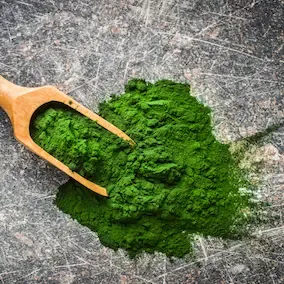
Chlorella
Role: A potent freshwater algae, Chlorella is renowned for its exceptional detoxifying properties. It effectively binds to heavy metals and toxins, aiding in their removal from the body and helping to decalcify the pineal gland. It also provides a rich source of vitamins and minerals crucial for overall brain health.
500mg - 2g daily
Spirulina
Role: Another powerhouse algae, Spirulina is packed with chlorophyll, protein, and essential amino acids. It supports detoxification, reduces oxidative stress, and provides neuroprotective benefits, contributing to a healthier pineal gland and enhanced cognitive function. Its nutrient density fuels brain cells.
1g - 3g daily
Ginkgo Biloba
Role: Famous for its cognitive benefits, Ginkgo Biloba improves blood circulation to the brain, enhancing oxygen and nutrient delivery. This increased cerebral blood flow supports pineal gland function and can lead to improved memory, focus, and overall mental sharpness, making it a staple for brain health.
120mg - 240mg daily
Lion's Mane Mushroom
Role: This unique medicinal mushroom is celebrated for its ability to stimulate Nerve Growth Factor (NGF) production. Lion's Mane supports neurogenesis, enhances neuronal connectivity, and protects brain cells, directly benefiting cognitive function and potentially aiding in the regeneration of neural pathways affected by pineal issues.
500mg - 3g daily
Moringa
Role: Often called the "miracle tree," Moringa is rich in antioxidants, vitamins, and minerals. Its anti-inflammatory properties protect the pineal gland and brain from oxidative damage, while its nutrient profile supports overall neurological health, contributing to better sleep and cognitive resilience.
1g - 6g daily
Neem
Role: A powerful detoxifier in Ayurvedic medicine, Neem helps cleanse the body of toxins and heavy metals. Its antimicrobial and anti-inflammatory properties can assist in reducing calcification in the pineal gland and supporting a healthier internal environment conducive to optimal brain function and restorative sleep.
250mg - 500mg daily
Pine Bark Extract
Role: Rich in proanthocyanidins, Pine Bark Extract is a potent antioxidant that improves blood flow to the brain and protects against oxidative stress. It supports cardiovascular health, which in turn enhances nutrient delivery to the pineal gland and other brain structures, promoting cognitive vitality and reducing inflammation.
50mg - 100mg daily
Tamarind
Role: Research suggests Tamarind can help with the excretion of fluoride from the body. Given fluoride's role in pineal calcification, Tamarind offers a promising natural avenue for decalcification, thereby supporting the pineal gland's ability to produce melatonin and regulate sleep cycles more effectively.
500mg - 1g dailyBeyond Supplements: Holistic Approaches to Boost Pineal Health
While targeted herbal solutions can be highly effective, a comprehensive approach to pineal health involves integrating several lifestyle modifications.
Optimize Your Diet
Prioritize organic, whole foods rich in antioxidants, chlorophyll, and essential fatty acids. Reduce intake of processed foods, refined sugars, and artificial additives. Focus on fresh fruits, vegetables, leafy greens, and healthy fats like avocado and nuts to create an alkaline environment in your body, less conducive to calcification.
Hydrate with Filtered Water
Avoid fluoridated tap water. Invest in a high-quality water filter that removes fluoride, chlorine, and other contaminants. Proper hydration with pure water is crucial for detoxification processes and overall cellular health, directly supporting the pineal gland's function and reducing toxin buildup.
Embrace Sunlight & Darkness
Regular exposure to natural sunlight, especially in the morning, helps regulate your circadian rhythm and signals the pineal gland to reduce melatonin production during the day. Conversely, ensuring complete darkness at night is vital for optimal melatonin synthesis, promoting deep, restorative sleep. Minimize blue light exposure before bedtime.
Mindfulness and Stress Reduction
Chronic stress can disrupt hormonal balance, including melatonin production. Practices like meditation, yoga, deep breathing exercises, and spending time in nature can significantly reduce stress levels, calm the nervous system, and create a more conducive environment for pineal gland health and restful sleep.
Limit Electromagnetic Fields (EMFs)
Exposure to EMFs from electronic devices, Wi-Fi, and cell phones, especially at night, can interfere with pineal gland function and melatonin production. Try to reduce your exposure by turning off Wi-Fi routers at night, keeping devices out of the bedroom, and using wired connections when possible.
By combining these lifestyle strategies with targeted natural remedies, you create a powerful synergy that not only addresses pineal gland calcification but also enhances your body's innate ability to heal, leading to profound improvements in sleep quality, cognitive function, and overall vitality. For more detailed reviews on effective natural solutions, consider checking out Pineal Guardian reviews real results.

Ready to Reclaim Your Restorative Sleep & Sharpen Your Mind?
If you're looking for a comprehensive, natural solution to support your pineal gland, enhance your sleep, and boost your cognitive function, Pineal Guardian offers a carefully crafted blend of nature's most powerful ingredients.
- ✓ Supports Pineal Gland Decalcification
- ✓ Boosts Natural Melatonin Production
- ✓ Enhances Cognitive Function & Mental Clarity
- ✓ Promotes Deep, Restorative Sleep
- ✓ Made with 100% Natural, High-Quality Ingredients




Hear From Those Who've Transformed Their Sleep & Brain Health
"I haven't slept this soundly in years! My mind feels clearer, and I wake up genuinely refreshed. Pineal Guardian has been a game-changer for my overall well-being. I feel like myself again."
"The brain fog I used to experience daily has significantly lifted. I can focus better at work, and my memory feels sharper. It's truly amazing what supporting your pineal gland can do. Highly recommend it!"
"After trying countless remedies for my restless nights, Pineal Guardian finally brought me the deep, uninterrupted sleep I longed for. The natural ingredients gave me confidence, and the results speak for themselves."
Frequently Asked Questions
What is the pineal gland and why is its health important?
+The pineal gland, a small endocrine gland in the brain, is crucial for producing melatonin, the hormone that regulates our sleep-wake cycles (circadian rhythm). Its optimal function is vital for deep, restorative sleep, cognitive clarity, mood regulation, and overall neurological health. When the pineal gland is healthy, it can effectively synchronize our internal clock with the external environment, leading to better sleep and improved daytime functioning.
What causes pineal gland calcification and how does it affect health?
+Pineal gland calcification is primarily caused by fluoride accumulation, along with other environmental toxins, poor diet, and certain medications. This calcification can impair the gland's ability to produce melatonin, leading to sleep disturbances, difficulty concentrating, reduced cognitive function, and even mood imbalances. Decalcification strategies often involve dietary changes, avoiding fluoride, and incorporating specific detoxifying nutrients.
Can natural remedies truly improve sleep and brain function?
+Yes, many natural remedies and herbal solutions have been scientifically studied for their positive effects on sleep quality and cognitive performance. Ingredients like melatonin-boosting herbs, adaptogens, antioxidants, and nutrients that support neurogenesis can significantly contribute to better sleep patterns, enhanced memory, improved focus, and overall brain vitality without the harsh side effects often associated with synthetic drugs.
How does Pineal Guardian support pineal health, sleep, and brain function?
+Pineal Guardian is formulated with a synergistic blend of natural ingredients specifically chosen for their ability to support pineal gland detoxification, enhance melatonin production, and protect brain cells. Ingredients such as Chlorella and Spirulina help remove toxins, while compounds like Ginkgo Biloba and Lion's Mane support cognitive function and nerve growth. This comprehensive approach aims to restore optimal pineal function, leading to improved sleep and sharper cognitive abilities.
Are there any side effects or safety concerns with Pineal Guardian?
+Pineal Guardian is made from 100% natural ingredients and is generally well-tolerated. It is manufactured in an FDA-registered, GMP-certified facility in the USA, ensuring high quality and purity. However, as with any supplement, it's always recommended to consult with your healthcare provider before starting, especially if you have pre-existing medical conditions, are pregnant or nursing, or are taking other medications. Discontinue use if any adverse reactions occur.
How long does it take to see results with natural pineal health remedies?
+The timeline for seeing results can vary depending on individual factors such as the severity of existing issues, lifestyle, and consistency of use. While some individuals may notice improvements in sleep and cognitive clarity within a few weeks, others might require longer, typically 60-90 days, for the full benefits to manifest as the body undergoes detoxification and regeneration. Consistent use as directed is key for optimal outcomes.
Related Articles