Struggling with Sleep? Your Pineal Gland Might Be the Key.
In our modern world, a good night's sleep often feels like a luxury rather than a necessity. Millions of people grapple with sleep disorders, insomnia, and persistent fatigue, impacting every aspect of their lives. While various factors contribute to poor sleep, one often overlooked culprit lies deep within our brain: the pineal gland.
This tiny, pea-sized gland plays a monumental role in regulating our sleep-wake cycles by producing melatonin, the "sleep hormone." However, environmental toxins, diet, and lifestyle choices can compromise its function, leading to a condition known as pineal gland calcification. Understanding this critical connection is the first step towards restoring optimal pineal function and reclaiming the deep, restorative sleep you deserve.

Understanding the Pineal Gland and Its Role in Sleep
The pineal gland, a tiny endocrine gland situated in the epithalamus near the center of the brain, is often referred to as the "third eye" due to its light-sensitive nature and profound connection to our perception of reality and consciousness. More scientifically, its primary function is to produce and secrete melatonin, a hormone derived from serotonin that plays a critical role in regulating our circadian rhythm – our internal 24-hour sleep-wake cycle.
When light hits the retina of our eyes, signals are sent to the suprachiasmatic nucleus (SCN) in the hypothalamus, which then relays information to the pineal gland. In conditions of darkness, the pineal gland increases melatonin production, signaling to the body that it's time to sleep. Conversely, light exposure inhibits melatonin release, promoting wakefulness. A well-functioning pineal gland ensures a smooth transition between these states, promoting **deep, restorative sleep** and consistent energy levels throughout the day. It's not just about falling asleep; it's about the quality and depth of that sleep, which profoundly impacts physical recovery, mental clarity, and emotional balance.
Beyond sleep, melatonin is a potent antioxidant, playing a role in protecting cells from damage and supporting overall immune function. It also influences various other hormonal systems, making the pineal gland a central player in holistic health. Thus, maintaining its optimal health is paramount for both sleep quality and general well-being.
The Silent Threat: Pineal Gland Calcification and Its Impact on Sleep
Despite its vital role, the pineal gland is highly susceptible to calcification, a process where calcium phosphate crystals accumulate within the gland, essentially hardening it. This calcification is a widespread phenomenon, often observed in individuals as early as childhood, and becomes more prevalent with age. While some degree of calcification may be considered normal, excessive hardening can significantly impair the gland's ability to produce and regulate melatonin, leading to a host of sleep-related issues.
The primary culprit behind pineal gland calcification is chronic exposure to environmental toxins. **Fluoride**, commonly found in tap water, toothpaste, and certain processed foods, is a significant contributor. It has a strong affinity for calcium and tends to accumulate in the pineal gland more than any other soft tissue in the body. Other heavy metals like **mercury, lead, and cadmium**, along with pesticides and herbicides, also play a role in this detrimental process. These toxins act as stressors, promoting an inflammatory response and disrupting the delicate cellular environment necessary for optimal pineal function.
Furthermore, modern dietary habits contribute to the problem. Diets high in processed foods, sugar, and unhealthy fats create an acidic environment in the body, which can exacerbate mineral imbalances and contribute to calcification. A lack of essential nutrients, particularly magnesium and vitamin K2, which are crucial for proper calcium utilization, also plays a part. When the pineal gland is calcified, its ability to produce melatonin diminishes, leading to **disrupted sleep patterns**, difficulty falling asleep, frequent awakenings, and a reduction in the restorative deep sleep phases. This directly contributes to conditions like insomnia and chronic fatigue, severely impacting daily life and long-term health. Understanding these causes is the first step toward effective pineal gland detox and restoring its natural rhythm.
💡 Key Takeaway
The pineal gland is crucial for sleep, producing melatonin to regulate our circadian rhythm. However, it's vulnerable to calcification from environmental toxins like fluoride and poor diet, which can severely impair melatonin production, leading to sleep disorders and overall health issues. Protecting and detoxifying this gland is essential for restorative sleep.
Natural Strategies for Pineal Gland Detoxification
Restoring your pineal gland's health and enhancing its function doesn't require drastic measures but rather a series of consistent, natural strategies that support your body's innate detoxification processes. By reducing exposure to harmful substances and incorporating beneficial elements, you can create an optimal environment for your pineal gland to thrive.
One of the most impactful changes involves **dietary adjustments**. Prioritize a diet rich in organic, whole foods, emphasizing fresh fruits, vegetables, and leafy greens. These foods are packed with antioxidants and vital nutrients that combat oxidative stress and inflammation, both of which contribute to calcification. Specifically, foods high in chlorophyll, like spirulina and chlorella, are excellent for detoxification. Reducing your intake of processed foods, refined sugars, and conventional dairy products can also significantly lighten your body's toxic load. Incorporate foods rich in magnesium, such as nuts, seeds, and dark chocolate, as magnesium plays a key role in preventing calcium buildup in soft tissues.
Another crucial step is **optimizing your water intake**. Filtered water is essential to avoid fluoride, chlorine, and other contaminants found in tap water that contribute to pineal calcification. Consider investing in a high-quality water filter that effectively removes these substances. Staying adequately hydrated with clean water supports overall detoxification pathways, helping your body flush out toxins more efficiently. You might also explore the benefits of specific natural compounds; for instance, some research suggests that tamarind extract can help excrete fluoride from the body, offering a natural way to mitigate one of the primary causes of pineal calcification. For more on targeted support, you can learn about specific ingredients and their roles in pineal gland health on our page about decalcify pineal gland supplements.
Beyond diet and hydration, **lifestyle modifications** are key. Reducing exposure to electromagnetic fields (EMFs) from Wi-Fi routers, cell phones, and other electronic devices, especially in your bedroom, can minimize potential disruptions to pineal function. Spending time in natural sunlight during the day helps regulate your circadian rhythm, signaling to your pineal gland when to be active and when to prepare for melatonin production. Conversely, minimizing exposure to blue light from screens in the evening is crucial to avoid inhibiting melatonin release. Creating a dark, quiet, and cool sleep environment further supports the pineal gland's natural sleep-inducing processes. Regular exercise, stress reduction techniques like meditation, and sufficient sleep hygiene practices all contribute to a holistic approach to pineal health and improved sleep.
Benefits of a Healthy, Decalcified Pineal Gland
When your pineal gland is functioning optimally, free from the burden of calcification, the ripple effects throughout your body and mind are profound. A healthy pineal gland is not just about sleep; it's about unlocking a higher state of well-being and vitality.
Enhanced Melatonin Production
A decalcified pineal gland can produce melatonin more efficiently and in optimal quantities. This means your body receives clearer signals for sleep, leading to easier onset of sleep and better maintenance throughout the night. It recalibrates your internal clock, aligning it with natural circadian rhythms.
Deeper, More Restorative Sleep
With balanced melatonin levels, you're more likely to experience longer durations of deep and REM sleep. These stages are critical for physical repair, memory consolidation, and emotional processing. Waking up feeling truly refreshed and energized becomes the norm, not the exception.
Improved Cognitive Function
Quality sleep directly translates to improved brain health. A healthy pineal gland supports better sleep, which in turn enhances memory, focus, problem-solving abilities, and overall cognitive performance. You'll notice greater mental clarity and reduced brain fog during your waking hours.
Better Mood and Energy Levels
Sleep deprivation is closely linked to mood swings, irritability, and decreased energy. By restoring your pineal gland's function and achieving consistent, high-quality sleep, you'll experience a significant boost in mood, emotional stability, and sustained energy throughout your day, contributing to a more positive outlook on life.
Strengthened Immune System
Melatonin is a powerful antioxidant and immunomodulator. Optimal pineal function means your body has better defenses against illness and infection. Quality sleep itself is a cornerstone of a robust immune system, helping your body repair and regenerate effectively.

Holistic Approaches to Sleep Support and Pineal Health
Mindfulness and Meditation
Regular practice of mindfulness and meditation can significantly reduce stress, calm the nervous system, and prepare the mind for sleep. These practices promote relaxation, which indirectly supports pineal gland function by reducing cortisol levels that can interfere with melatonin production. Even 10-15 minutes before bed can make a difference.
Optimized Sleep Hygiene
Creating an ideal sleep environment is crucial. This includes ensuring your bedroom is dark, quiet, and cool (ideally 60-67°F or 15-19°C). Establish a consistent sleep schedule, even on weekends, to regulate your circadian rhythm. Avoid screens (phones, tablets, computers) for at least an hour before bed, as blue light inhibits melatonin.
Regular Physical Activity
Engaging in moderate exercise during the day can greatly improve sleep quality. Physical activity helps reduce stress and can deepen sleep. However, avoid intense workouts too close to bedtime, as this can be stimulating and make it harder to fall asleep. Aim for morning or early afternoon exercise.
Effective Stress Management
Chronic stress is a major contributor to sleep problems and can negatively impact hormonal balance, including melatonin. Incorporate stress-reducing activities into your daily routine, such as deep breathing exercises, yoga, spending time in nature, or engaging in hobbies that bring you joy and relaxation.
Herbal Teas and Aromatherapy
Certain herbs are known for their calming properties. Chamomile, valerian root, lavender, and passionflower teas can promote relaxation and aid sleep. Aromatherapy with essential oils like lavender, frankincense, or cedarwood diffused in your bedroom before sleep can create a tranquil atmosphere conducive to rest.
Key Natural Ingredients for Pineal Health & Sleep Support
Nature offers a powerful apothecary of herbs and compounds that can support pineal gland health, aid in detoxification, and promote better sleep. Many of these ingredients work synergistically to address the root causes of sleep disturbances.

Tamarind
Role: Known for its ability to help the body excrete fluoride, a primary calcifying agent of the pineal gland. Its detoxification properties are crucial for restoring pineal function.
Typical Dose: 250-500mg extract daily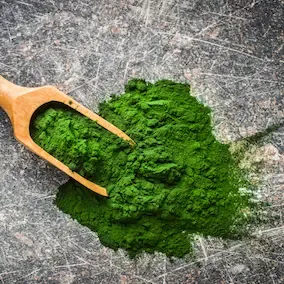
Chlorella
Role: A potent detoxifier, chlorella is a freshwater algae celebrated for its ability to bind to heavy metals and other toxins, facilitating their removal from the body. It also provides essential nutrients.
Typical Dose: 1-5g daily
Spirulina
Role: Another powerful blue-green algae, spirulina is rich in antioxidants, vitamins, and minerals. It supports detoxification, reduces inflammation, and provides neuroprotective benefits, indirectly aiding pineal health.
Typical Dose: 1-8g daily
Ginkgo Biloba
Role: Renowned for improving circulation, especially to the brain, Ginkgo Biloba can enhance nutrient delivery and waste removal from the pineal gland. It also offers powerful antioxidant protection against cellular damage.
Typical Dose: 120-240mg extract daily
Moringa
Role: Often called the "miracle tree," Moringa is packed with vitamins, minerals, and antioxidants. It helps combat oxidative stress and inflammation, supporting overall cellular health, including that of the pineal gland.
Typical Dose: 500-2000mg powder daily
Neem
Role: A traditional Ayurvedic herb, Neem possesses strong antioxidant and anti-inflammatory properties. It aids in detoxification and can help protect the body from various environmental stressors, indirectly benefiting pineal health.
Typical Dose: 250-500mg extract daily
Lion's Mane Mushroom
Role: This medicinal mushroom is celebrated for its neuroprotective and cognitive-enhancing effects. It supports nerve growth factor (NGF) production, which can contribute to overall brain health and potentially improve sleep quality by reducing anxiety.
Typical Dose: 500-3000mg daily
Pine Bark Extract
Role: Rich in powerful antioxidants called proanthocyanidins, pine bark extract helps protect cells from oxidative damage and supports healthy blood flow. Improved circulation can benefit the pineal gland's function and overall brain health.
Typical Dose: 50-200mg daily
Pineal Guardian
Role: A comprehensive blend designed to synergistically combine many of these powerful ingredients. Pineal Guardian aims to support pineal gland decalcification, enhance natural melatonin production, and promote deep, restorative sleep by addressing both detoxification and overall brain health.
Follow product label instructionsWhile individual ingredients offer significant benefits, a well-formulated supplement like Pineal Guardian combines these elements to create a more powerful and synergistic effect. Many individuals have found success in improving their sleep and overall well-being by incorporating such blends into their daily routine. You can read more about individual experiences and results on our Pineal Guardian reviews page.

Unlock Your Deepest Sleep with Pineal Guardian
If you've been struggling to achieve truly restorative sleep, and suspect your pineal gland's health might be a factor, Pineal Guardian offers a targeted, natural solution. Formulated with a powerful blend of nature's finest detoxifying and sleep-supporting ingredients, it's designed to help your body naturally cleanse and revitalize your pineal gland.
- ✓ Supports natural pineal gland detoxification
- ✓ Enhances endogenous melatonin production
- ✓ Promotes deeper, more restorative sleep cycles
- ✓ Boosts cognitive clarity and overall brain health
- ✓ Made with 100% natural, high-quality ingredients




Real Stories, Real Results
"I've struggled with insomnia for years, and nothing seemed to help. After two months of Pineal Guardian, I'm finally sleeping through the night. It's like my body remembered how to rest! The change in my energy and mood is incredible."
"I was skeptical at first, but the idea of pineal gland detox resonated with me. Pineal Guardian has significantly improved my sleep quality. I wake up feeling genuinely refreshed, and my morning brain fog is gone. Highly recommend!"
"My sleep was erratic, and I often felt tired even after 8 hours. Pineal Guardian has made a noticeable difference. My dreams are more vivid, and I feel a deeper sense of calm. It's truly a game-changer for my overall well-being."
For more detailed testimonials and real-life experiences, visit our dedicated page: Pineal Guardian Reviews: Real Results.
Frequently Asked Questions
What is the pineal gland and why is it important for sleep?
+The pineal gland is a small endocrine gland located deep in the brain, often called the "third eye." Its primary function is to produce and regulate melatonin, a hormone crucial for controlling your sleep-wake cycles (circadian rhythm). A healthy, functioning pineal gland ensures adequate melatonin production, leading to consistent, high-quality sleep.
What causes pineal gland calcification?
+Pineal gland calcification is primarily caused by exposure to environmental toxins such as fluoride (in water, toothpaste), heavy metals (mercury, lead), pesticides, and certain dietary factors like excessive calcium intake without sufficient magnesium and vitamin K2, and processed foods. These elements can accumulate over time, forming calcium phosphate crystals that harden the gland.
Can natural strategies really help detoxify the pineal gland?
+Yes, many natural strategies can support pineal gland detoxification and function. These include adopting a diet rich in antioxidants, consuming filtered water, limiting exposure to fluoride and EMFs, incorporating specific detoxifying herbs and supplements, and practicing good sleep hygiene. While complete "decalcification" is a complex process, these methods can significantly improve pineal health and melatonin synthesis.
How does Pineal Guardian contribute to better sleep?
+Pineal Guardian is formulated with a blend of natural ingredients known for their detoxifying and sleep-supporting properties. Ingredients like Tamarind, Chlorella, Spirulina, and Neem help cleanse the body of toxins that can impair pineal function, while others like Ginkgo Biloba and Lion's Mane support overall brain health and relaxation, promoting natural melatonin production and deeper, more restorative sleep cycles.
Is Pineal Guardian safe and does it have side effects?
+Pineal Guardian is made with 100% natural ingredients and is manufactured in the USA in a GMP-certified facility, ensuring high quality and purity. It is generally considered safe for most adults. However, as with any supplement, it's always recommended to consult with a healthcare professional before starting, especially if you have pre-existing medical conditions or are taking other medications.
How long does it take to see results from pineal gland detox and sleep support strategies?
+The timeframe for seeing results can vary widely depending on individual factors such as the degree of calcification, lifestyle, and consistency with natural strategies or supplements. Some individuals may notice improvements in sleep quality within a few weeks, while for others, it might take several months to experience significant benefits as the body detoxifies and balances itself. Consistent effort is key.
Related Articles