Struggling with Sleep or Mental Fog? Your Pineal Gland Might Be the Key.
The pineal gland, often called the "third eye," is a tiny but mighty endocrine gland nestled deep within your brain. It plays a crucial role in regulating your sleep-wake cycles by producing melatonin, influencing mood, and even impacting overall cognitive function. Yet, for many, this vital gland can become compromised, leading to a cascade of health issues, particularly sleep disorders and reduced mental clarity.
Modern lifestyles, environmental toxins, and dietary choices can contribute to the calcification of the pineal gland, hindering its ability to function optimally. But what if there were natural, effective ways to support and rejuvenate this essential organ? This comprehensive guide will reveal how you can improve pineal health naturally, focusing on dietary adjustments and lifestyle changes that empower your body's innate healing capabilities.

Understanding the Pineal Gland: Your Inner Maestro
The pineal gland, despite its small size, holds immense power over your well-being. It's often referred to as the "seat of the soul" by philosophers and mystics, and modern science confirms its critical biological functions. Understanding its role is the first step toward improving its health.
Located deep within the brain, between the two hemispheres, the pineal gland is a tiny endocrine gland responsible for producing and secreting melatonin. This hormone is the primary regulator of your body's circadian rhythm, the internal clock that dictates your sleep-wake cycles. When your pineal gland functions optimally, you experience restful sleep, wake up refreshed, and maintain a balanced mood throughout the day.
Beyond sleep, the pineal gland is also believed to play a role in regulating other hormones, influencing stress response, and even acting as an antioxidant. Its proper functioning is intricately linked to overall brain health, cognitive clarity, and mental well-being. A healthy pineal gland contributes to better memory, focus, and a greater sense of calm.
However, this delicate gland is highly susceptible to various environmental and dietary factors that can impair its function. Over time, these factors can lead to what is known as pineal gland calcification, a process that significantly reduces its ability to produce melatonin and perform its other vital roles. This calcification is a major concern for anyone experiencing persistent sleep issues, brain fog, or a general feeling of being "off."
💡 Key Takeaway
The pineal gland is crucial for melatonin production and regulating your sleep-wake cycle, mood, and cognitive function. Its optimal health is essential for overall well-being.
The Silent Threat: What Causes Pineal Gland Calcification?
Pineal gland calcification is a widespread phenomenon, often observed in medical imaging, where calcium phosphate crystals accumulate within the gland. While some degree of calcification can be a natural part of aging, accelerated calcification is a modern concern directly linked to our environment and lifestyle.
One of the most significant culprits is fluoride exposure. Found in tap water, many toothpastes, and even some processed foods and beverages, fluoride has been shown in studies to accumulate in the pineal gland, forming hydroxyapatite crystals that lead to calcification. This significantly impairs the gland's ability to produce melatonin, disrupting sleep patterns and potentially impacting other neurological functions.
Another major factor is our diet. A diet rich in processed foods, refined sugars, artificial additives, and excessive amounts of inorganic calcium (often found in fortified foods and certain supplements) can contribute to an imbalanced mineral metabolism, promoting calcification. These dietary choices often lack the essential nutrients needed to support detoxification and healthy gland function.
Environmental toxins also play a role. Heavy metals like mercury, lead, and aluminum, as well as pesticides and other industrial chemicals, can accumulate in the body and contribute to the calcification process. These toxins create oxidative stress, further damaging delicate tissues like the pineal gland.
Furthermore, modern technology introduces new challenges. Prolonged exposure to electromagnetic fields (EMFs) from Wi-Fi, cell phones, and other electronic devices is a growing concern, with some research suggesting a potential link to pineal gland disruption. Chronic stress and a lack of natural light exposure also contribute to dysregulation, as the pineal gland relies on light cues to function correctly.
Understanding these causes is vital, as it empowers us to make informed choices that can protect and restore pineal gland health, ultimately leading to improvements in sleep, mood, and cognitive function. Many individuals find that supporting melatonin production with key vitamins is a helpful step in this process.
Dietary Strategies for Optimal Pineal Health
Your diet is a powerful tool in supporting your pineal gland. By consciously choosing what you eat and drink, you can either contribute to its calcification or promote its detoxification and optimal function. Here's how to nourish your pineal gland naturally.
Embrace Antioxidant-Rich Foods
Antioxidants combat oxidative stress, which can damage the pineal gland. Incorporate plenty of organic berries (blueberries, raspberries), dark leafy greens (kale, spinach), cruciferous vegetables (broccoli, cauliflower), and colorful fruits and vegetables into your daily diet. These foods provide a powerful defense against cellular damage.
Prioritize Healthy Fats
Omega-3 fatty acids, found in wild-caught fatty fish (salmon, mackerel), flaxseeds, chia seeds, and walnuts, are essential for brain health and reducing inflammation. These healthy fats support the cellular integrity of the pineal gland and aid in overall neurological function, contributing to better mood and cognitive performance.
Increase Magnesium and Boron Intake
Magnesium is crucial for over 300 biochemical reactions in the body, including melatonin production and detoxification. Rich sources include dark chocolate, avocados, nuts, seeds, and legumes. Boron, a trace mineral, has been shown to help remove fluoride from the body, indirectly supporting pineal health. Find boron in apples, pears, and grapes.
Include Iodine-Rich Foods
Iodine is vital for thyroid function and overall glandular health. While excessive fluoride can deplete iodine, consuming natural sources like seaweed (nori, kelp), cranberries, and organic yogurt can help maintain healthy levels. Ensure your iodine intake is balanced, as both too little and too much can be problematic.
Focus on Filtered Water and Hydration
Staying well-hydrated is key for detoxification. However, it's crucial to drink filtered water to avoid fluoride, chlorine, and other contaminants found in tap water. Invest in a high-quality water filter for your home to ensure you're consuming pure, clean water that supports your body's natural cleansing processes.
Limit or Avoid Harmful Substances
To truly support your pineal gland, minimize or eliminate fluoride (check toothpaste, water), processed foods, refined sugars, artificial sweeteners, and excessive calcium supplements. These substances are known contributors to calcification and inflammation, directly hindering pineal function and overall health.

Lifestyle Adjustments for a Healthy Pineal Gland
Diet is just one piece of the puzzle. Your daily habits and environment profoundly impact your pineal gland. Implementing these lifestyle changes can significantly enhance its function and promote overall well-being.
Optimize Your Light Exposure: The pineal gland is highly sensitive to light. Maximize your exposure to natural sunlight during the day, especially in the mornings. This helps calibrate your circadian rhythm. Conversely, minimize exposure to artificial light, especially blue light from screens, in the evenings. Blue light suppresses melatonin production, disrupting sleep. Use blue light filtering glasses or apps on devices after sunset.
Reduce EMF Exposure: Electromagnetic fields (EMFs) from Wi-Fi routers, cell phones, and other electronic devices are ubiquitous in modern life. While research is ongoing, some studies suggest EMFs may disrupt pineal function. Take steps to reduce exposure: keep phones away from your head, turn off Wi-Fi at night, and create an "EMF-free zone" in your bedroom.
Prioritize Sleep Hygiene: Consistent, quality sleep is paramount for pineal health. Establish a regular sleep schedule, even on weekends. Ensure your bedroom is dark, quiet, and cool. Avoid caffeine and heavy meals close to bedtime. A healthy pineal gland produces melatonin, but good sleep habits ensure it can do its job effectively. For more insights, explore effective pineal health remedies that work.
Practice Stress Management: Chronic stress elevates cortisol levels, which can interfere with melatonin production and overall hormonal balance. Incorporate stress-reducing practices into your daily routine, such as meditation, deep breathing exercises, yoga, spending time in nature, or engaging in hobbies you enjoy. A calm mind supports a healthy pineal gland.
Engage in Regular Exercise: Moderate physical activity promotes healthy circulation, reduces inflammation, and improves sleep quality, all of which indirectly benefit the pineal gland. Aim for at least 30 minutes of moderate exercise most days of the week, but avoid intense workouts too close to bedtime.
Consider Detoxification Practices: Periodically engaging in gentle detoxification can help remove accumulated toxins that contribute to calcification. This could include practices like dry brushing, infrared sauna sessions, or incorporating specific detox-supporting foods and herbs into your diet. Always consult a healthcare professional before embarking on intensive detox programs.
By integrating these dietary and lifestyle changes, you create an environment conducive to a healthy, functioning pineal gland. This holistic approach is often the most effective way to address sleep disorders and promote overall brain vitality, as detailed in articles like how to improve pineal health naturally.
Natural Ingredients Supporting Pineal Health
Beyond whole foods, specific natural ingredients have been traditionally used and scientifically recognized for their potential to support pineal gland health, aid in detoxification, and enhance overall cognitive function. These powerful botanicals and compounds can be incorporated into your regimen through diet or high-quality supplements.
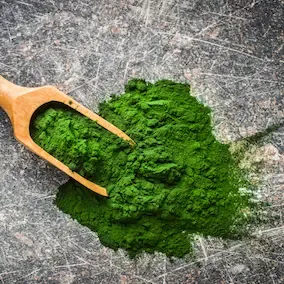
Chlorella
Role: A potent freshwater algae, Chlorella is renowned for its exceptional ability to bind to and remove heavy metals and other toxins from the body. Its rich chlorophyll content also supports cellular detoxification, which is crucial for preventing and reversing pineal gland calcification.
Typical Dose: 2-5g daily
Ginkgo Biloba
Role: Famous for its cognitive benefits, Ginkgo Biloba enhances blood flow to the brain, including the pineal gland. Its powerful antioxidant properties protect brain cells from oxidative stress, supporting overall neurological function and potentially aiding in melatonin production.
Typical Dose: 120-240mg daily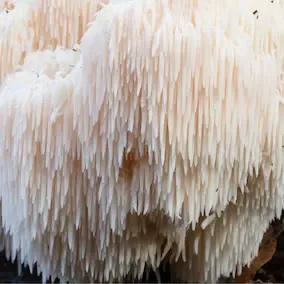
Lion's Mane Mushroom
Role: This medicinal mushroom is celebrated for its neuroprotective and neuroregenerative properties. It supports Nerve Growth Factor (NGF) production, which can enhance cognitive function, memory, and may contribute to a healthier brain environment conducive to pineal gland vitality.
Typical Dose: 500-3000mg daily
Moringa Oleifera
Role: Often called the "miracle tree," Moringa is packed with antioxidants, vitamins, and minerals. It possesses strong anti-inflammatory properties and helps detoxify the body, protecting the pineal gland from environmental stressors and supporting its natural functions.
Typical Dose: 1-6g daily
Neem
Role: A powerful herb in Ayurvedic medicine, Neem is known for its detoxification and anti-inflammatory effects. It can help cleanse the body of toxins and pathogens, creating a cleaner internal environment that supports the health and decalcification of the pineal gland.
Typical Dose: 250-500mg daily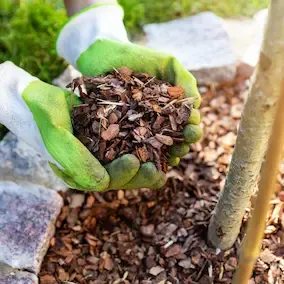
Pine Bark Extract (Pycnogenol)
Role: A potent antioxidant, Pine Bark Extract improves circulation and protects against oxidative damage. It supports brain health by enhancing blood flow and reducing inflammation, which can indirectly aid pineal gland function and protect it from calcification.
Typical Dose: 50-100mg daily
Spirulina
Role: Another nutrient-dense blue-green algae, Spirulina is a superfood rich in proteins, vitamins, and minerals. Like Chlorella, it assists in heavy metal detoxification and provides robust antioxidant support, contributing to a healthier environment for the pineal gland.
Typical Dose: 1-8g daily
Tamarind
Role: Emerging research suggests Tamarind may play a significant role in fluoride detoxification. Its natural compounds can help facilitate the excretion of fluoride from the body, thereby reducing its accumulation in the pineal gland and supporting decalcification.
Typical Dose: 500-1000mg dailyThese ingredients, when combined with a healthy diet and lifestyle, offer a powerful synergy for promoting pineal gland health. Many individuals find that a comprehensive supplement, formulated with these and other beneficial compounds, can provide targeted support for decalcification and optimal function. One such product is Pineal Guardian, which integrates several of these powerful natural ingredients to offer a holistic approach to pineal health.

Ready to Reclaim Your Restful Sleep and Mental Clarity?
If you're tired of restless nights, brain fog, and feeling disconnected, it's time to give your pineal gland the support it deserves. Pineal Guardian offers a scientifically formulated blend of natural ingredients designed to target calcification, enhance melatonin production, and support overall brain health.
- ✓ Supports natural pineal gland detoxification
- ✓ Promotes healthy melatonin production for deeper sleep
- ✓ Enhances cognitive function and mental clarity
- ✓ Utilizes powerful antioxidants and anti-inflammatory compounds
- ✓ Made with 100% natural, non-GMO ingredients




What Our Customers Are Saying
"I've struggled with insomnia for years, and nothing seemed to help. After incorporating Pineal Guardian into my routine, I'm finally experiencing deep, restorative sleep. My mind feels clearer, and I have more energy throughout the day. It's truly life-changing!"
"The mental fog I used to experience daily has significantly lifted since I started taking Pineal Guardian. I feel more focused, my memory has improved, and I generally feel more balanced. It's incredible how much difference a healthy pineal gland makes!"
"I was skeptical at first, but the results speak for themselves. My sleep quality has improved dramatically, and I wake up feeling truly refreshed. I also appreciate that it's made with natural ingredients. Pineal Guardian is now a staple in my daily health regimen."
Frequently Asked Questions
What is the pineal gland and why is it important?
+The pineal gland is a small, pea-sized endocrine gland located deep in the center of the brain. Often referred to as the 'third eye,' its primary function is to produce melatonin, a hormone critical for regulating the body's circadian rhythm (sleep-wake cycle). Beyond sleep, it influences mood, stress response, and antioxidant defense, playing a vital role in overall neurological and physiological health.
What causes pineal gland calcification?
+Pineal gland calcification is a common age-related process, but it can be accelerated by several factors. Key contributors include exposure to fluoride (found in tap water, toothpaste, and some foods), excessive calcium intake, a diet high in processed foods, environmental toxins (like pesticides and heavy metals), and electromagnetic field (EMF) radiation. These elements can lead to the accumulation of calcium phosphate crystals, impairing the gland's function.
How can diet improve pineal health?
+A diet rich in antioxidants, anti-inflammatory foods, and specific nutrients can significantly support pineal health. Focus on organic, whole foods like dark leafy greens, berries, cruciferous vegetables, and healthy fats (omega-3s). Foods high in magnesium, boron, and iodine are also beneficial. Conversely, minimizing fluoride, processed sugars, artificial additives, and excessive dairy can help prevent and reverse calcification.
Are there specific lifestyle changes that help the pineal gland?
+Absolutely. Lifestyle plays a crucial role. Prioritize consistent exposure to natural sunlight during the day to regulate your circadian rhythm. Reduce blue light exposure from screens in the evenings. Practice good sleep hygiene, including a dark, quiet, cool bedroom and a regular sleep schedule. Minimize exposure to EMFs from electronic devices, manage stress through meditation or yoga, and ensure adequate hydration with filtered water.
Can supplements help decalcify the pineal gland?
+While diet and lifestyle are foundational, certain supplements can offer targeted support. Ingredients like Chlorella, Spirulina, Tamarind extract, Moringa, Neem, Ginkgo Biloba, and Pine Bark extract are known for their detoxification properties and ability to support overall brain health. Additionally, minerals like magnesium, boron, and iodine, and vitamins like D3 and K2, can play a role in maintaining optimal pineal function and reducing calcification. Always consult a healthcare professional before starting any new supplement regimen.
How long does it take to see results from pineal health improvements?
+The timeline for experiencing improvements in pineal health can vary significantly among individuals, depending on the degree of calcification, consistency of lifestyle changes, and overall health status. Some people may notice subtle improvements in sleep quality or mental clarity within a few weeks, while for others, it might take several months of consistent effort. Long-term commitment to a pineal-friendly diet and lifestyle is key for sustained benefits.
Related Articles